


Many people prepare sandwiches ahead of time for work, school or meal planning. This leads to a common question: how long can a sandwich last in the fridge without losing freshness or becoming unsafe to eat. While sandwiches seem simple, the ingredients inside have a huge impact on how long they can be stored.
This detailed guide covers everything you need to know about sandwich storage. You will learn exact freshness timelines, ingredient differences, safety tips, freezing advice, spoilage signs and meal prep strategies. This helps you enjoy your sandwiches confidently and avoid foodborne issues.
How Long Can a Sandwich Last in the Fridge
Most sandwiches last 2 to 4 days in the fridge when stored in airtight containers. This range depends on moisture levels, temperature and the type of filling. Some ingredients spoil quickly while others remain fresh for longer periods.
Sandwiches stored at a cold and consistent temperature stay safe longer. However, if your sandwich contains meat, eggs or creamy fillings, the safe window is shorter. Dry ingredients last longer because bacteria grows slower in low moisture foods.
Understanding these timeframes helps you store your food wisely and avoid unnecessary waste.
How Ingredients Change Storage Life
Every sandwich has its own storage timeline because different ingredients decay at different speeds. Moisture, protein, fat and texture all play a role in how long a sandwich stays fresh.
Below are the storage ranges for popular sandwich types and why they behave differently in the fridge.
Meat and Poultry Sandwiches

Sandwiches with chicken, turkey, ham, roast beef or other deli meats spoil faster because protein based fillings break down quickly.
Meat contains moisture that encourages bacteria growth. When mixed with condiments like mayo or mustard, the moisture level increases even more. This shortens the shelf life of the sandwich.
Most meat sandwiches last about 2 to 3 days in the fridge when wrapped tightly. If your sandwich contains multiple wet ingredients, the safe window is closer to two days. Always check smell and texture before eating leftovers.
Tuna or Egg Salad Sandwiches
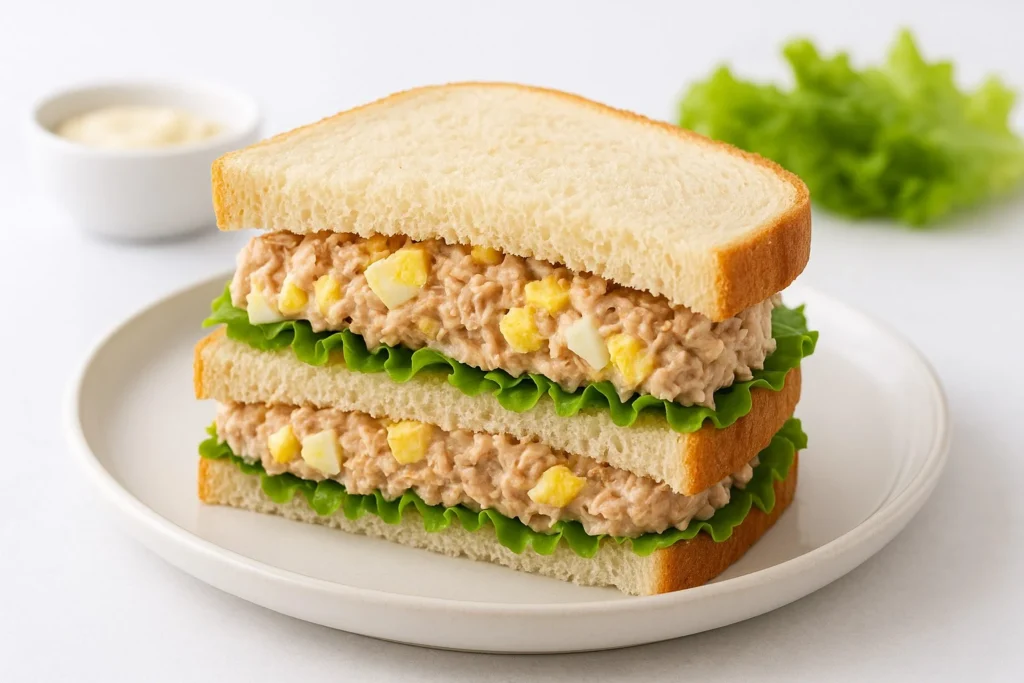
These fillings contain creamy ingredients that spoil quickly. Egg salad and tuna salad hold moisture and create the perfect environment for bacteria to grow.
These sandwiches last only 1 to 2 days in the fridge. Even when stored in airtight containers, their texture changes fast and their freshness drops quickly.
Before eating, look for signs like sour smell, watery texture or separation in the filling.
Cheese or Vegetable Sandwiches

Vegetable and cheese sandwiches last a bit longer depending on the ingredients used. Cheese remains stable in the fridge while vegetables vary based on moisture.
Firm cheeses like cheddar stay fresh longer than soft cheeses. Vegetables with high water content like tomatoes and cucumbers make bread soggy when stored too long.
These sandwiches last 2 to 4 days in the fridge. For best results, store vegetables separately and assemble the sandwich before eating.
Peanut Butter Sandwiches
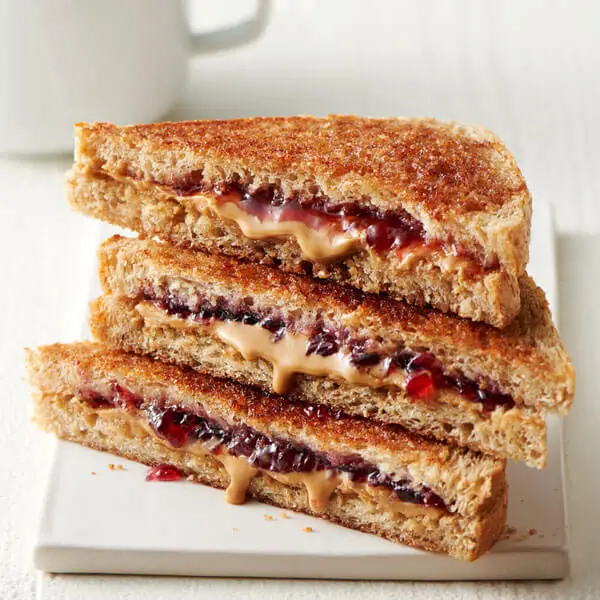
Peanut butter sandwiches last the longest because they contain no perishable ingredients. They have low moisture, stable texture and low bacteria risk.
These sandwiches can last 4 to 7 days in the fridge. Peanut butter does not spoil quickly, making it perfect for meal prep.
However, adding jelly or fruit shortens storage life because these ingredients contain moisture.
How to Store Sandwiches Safely in the Fridge
Correct storage makes a big difference in how long a sandwich stays safe to eat. Food safety depends on reducing moisture exposure, preventing bacteria growth and keeping air away.
Here are the best methods to store sandwiches properly.
Wrap Sandwiches Tightly
Store sandwiches in airtight containers or wrap them in plastic wrap or foil. Removing air slows bacterial growth and helps maintain texture.
Loose wrapping causes bread to dry out and fillings to spoil faster.
Keep the Fridge at a Consistent Temperature
A cold fridge keeps food safe by slowing down bacterial activity. Store sandwiches in the coldest part of the fridge, not in the door.
The fridge door warms up every time it opens, which shortens the storage life of your food.
Separate Wet Ingredients
Moist ingredients like tomatoes, lettuce and pickles quickly absorb into bread. This makes the sandwich soggy and reduces its safe storage window.
For meal prep, pack these ingredients separately and assemble your sandwich later.
Use Dry Bread for Better Storage
Dense bread like sourdough or whole grain lasts longer in the fridge. Soft bread becomes soggy faster when stored with moist fillings.
Choosing the right bread helps extend the life of your sandwich.
Signs a Sandwich Has Gone Bad
Before eating any stored sandwich, check for signs of spoilage. Trusting your senses helps protect you from foodborne illness.
Here are the main signs a sandwich is no longer safe.
Off or Sour Smell
A strange or unpleasant smell is one of the clearest indicators that a sandwich has spoiled. If it smells off, throw it away immediately.
Slimy or Sticky Texture
Sliminess on meat or vegetables means bacteria is present. Sticky textures on cheese or meat also signal spoilage.
Discoloration
Darkened edges, pale spots or unusual colors usually indicate the sandwich has gone bad. Discoloration occurs when ingredients oxidize or decay.
Soggy or Watery Bread
When bread becomes excessively soggy, it often means the ingredients have broken down or moisture has seeped through.
Strange Taste
If you taste anything unusual, stop eating immediately. Do not attempt to save or finish it.
How Long Different Sandwiches Last in the Fridge
Here is a clear guide to help you understand how long specific sandwich types stay fresh.
| Sandwich Type | How Long It Lasts in the Fridge | Why |
|---|---|---|
| Ham Sandwich | 2 to 3 days | Meat spoils faster and contains moisture |
| Turkey or Chicken Sandwich | Up to 3 days | Poultry breaks down quickly in cold storage |
| Tuna Sandwich | 1 to 2 days | Tuna spoils easily due to soft and moist filling |
| Egg Salad Sandwich | 1 to 2 days | Egg based mixtures spoil quickly |
| Veggie Sandwich | 2 to 4 days | Lifespan depends on moisture in vegetables |
| Cheese Sandwich | 3 to 4 days | Firm cheeses last longer in the fridge |
| Peanut Butter Sandwich | 4 to 7 days | Contains no perishable ingredients |
Can You Freeze Sandwiches
Freezing sandwiches is a useful strategy for long term storage. However, not all sandwich types freeze well.
Below is a guide to help you understand which sandwiches can be frozen and for how long.
Sandwiches That Freeze Well
Some ingredients maintain their texture and taste after freezing. These include:
- Peanut butter
- Meat and cheese
- Bread without added moisture
Freezing extends their life and helps with long term meal prep.
Sandwiches That Do Not Freeze Well
Certain ingredients lose their quality when frozen. These include:
- Lettuce
- Tomatoes
- Cucumbers
- Egg salad
- Tuna salad
- Mayonnaise based fillings
These ingredients become watery after thawing.
How Long Frozen Sandwiches Last
Most frozen sandwiches remain safe for up to 2 months. Store them in freezer safe containers and remove as much air as possible before freezing.
Tips to Keep Sandwiches Fresh Longer
These simple tips help maximize freshness and prevent spoilage.
Add Moist Ingredients at the Last Minute
Keep wet items like sauces, tomatoes and pickles in separate containers. Add them only when ready to eat.
Use Dense Bread for Sandwich Storage
Whole grain or crusty bread absorbs less moisture and stays firm longer.
Keep Sandwiches Away from the Fridge Door
The upper shelves or middle shelves remain the coldest and most stable. Storing your sandwich here helps maintain its freshness.
Avoid Stacking Sandwiches
Stacked sandwiches trap moisture and become soggy. Give them space so air can circulate.
Who Should Be Extra Careful With Sandwich Storage
Some individuals must follow stricter food safety rules because they are more sensitive to spoiled foods.
- Children: School lunch sandwiches should be stored with extra care and eaten within safe timeframes.
- Pregnant Individuals: Extra caution should be taken with deli meats, eggs and dairy.
- People With Sensitive Stomachs: Even mild spoilage can lead to digestive issues.
Frequently Asked Questions
Find answers to the most common questions
How long can a sandwich last in the fridge?
Most sandwiches last between 2 and 4 days depending on ingredients.
Can I eat a two day old sandwich?
Yes, if it was stored properly and shows no signs of spoilage.
How long do meat sandwiches last?
Meat sandwiches last around 2 to 3 days in the fridge.
How long does a sandwich with mayo last?
Usually 1 to 2 days due to moisture and creamy texture.
Can I freeze sandwiches for meal prep?
Peanut butter and meat with cheese freeze well, but creamy or watery fillings do not.
Why does bread get soggy in the fridge?
Moist ingredients leak into the bread, causing texture changes.
How long do tuna and egg salad sandwiches last?
Both last 1 to 2 days because they spoil quickly.
What is the best way to store sandwiches?
Use airtight containers, keep them cold and separate wet ingredients.
Conclusion
Understanding how long can a sandwich last in the fridge helps protect your health, improve meal prep and reduce waste. Most sandwiches last between 2 and 4 days, but the exact time depends on what you put inside. Meat and creamy fillings spoil faster, while peanut butter sandwiches last the longest.
Proper storage, airtight containers and careful ingredient selection help keep your sandwiches safe and flavorful. Always check smell, texture and appearance before eating any stored food. When in doubt, throw it out to prevent illness.
With the tips and timeframes in this guide, you can confidently prepare and store sandwiches that stay fresh and delicious.