
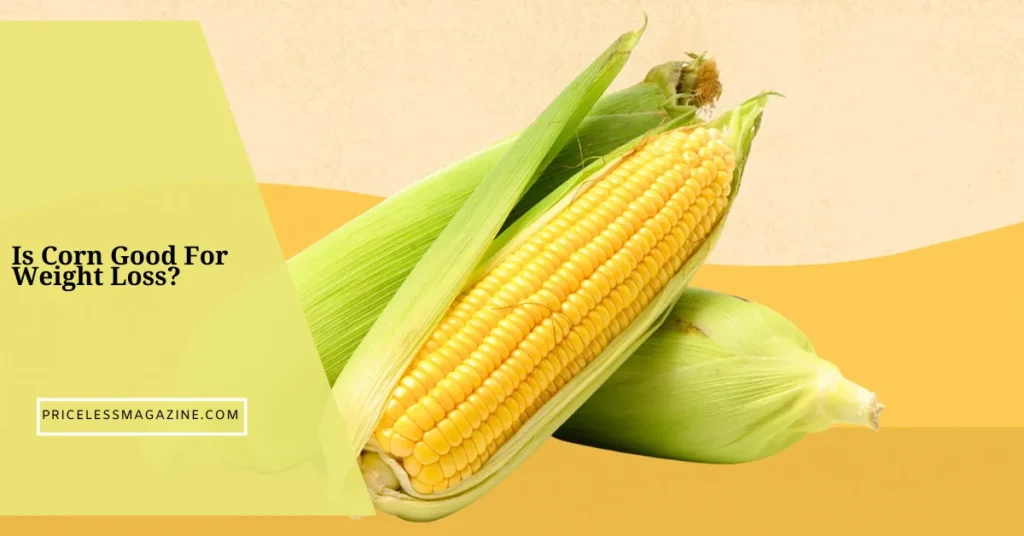

Corn can absolutely support weight loss when it is eaten in its whole form, kept within reasonable portions, and used as a structured source of carbohydrates rather than a mindless side. In this role, corn provides energy, fiber, and meal satisfaction that make a calorie deficit easier to maintain. The problem starts when corn is heavily processed, piled onto the plate without awareness, or used to replace protein and vegetables. In those situations, corn stops supporting fat loss and begins quietly working against it by adding calories without enough fullness to justify them.
Why Corn Has A Bad Reputation In Weight Loss
Corn’s reputation suffers because people rarely eat it in isolation. It usually appears alongside oil, salt, sugar, or refined flour. Chips, tortillas, popcorn loaded with butter, and packaged foods containing corn based additives shape how people perceive corn as a fattening food.
Another reason corn gets blamed is its carbohydrate content. Diet culture often treats all carbs as the same, ignoring fiber, digestion speed, and how foods affect hunger. Corn contains more starch than leafy vegetables, so it is often labeled as something to avoid.
The problem is not corn itself. The problem is how it is commonly prepared and consumed.
The Nutritional Reality Of Whole Corn
Whole corn is a starchy vegetable with real nutritional value. It provides fiber, B vitamins, minerals, and resistant starch that supports digestion.
Fiber is the most important factor for weight loss. It slows digestion, increases chewing time, and improves fullness. Corn does not spike hunger by default. When eaten whole, it contributes to satiety rather than undermining it.
However, corn is also more calorie-dense than non-starchy vegetables. This does not make it unhealthy, but it does mean portion size matters more.
Corn is not empty calories, but it is not a free food either.
How Corn Affects Hunger And Fullness
Weight loss succeeds or fails based on hunger management. Corn can help or hurt depending on how it is used in a meal.
When corn is eaten with protein and vegetables, it slows digestion and helps meals feel complete. Many people find that including a moderate amount of corn reduces cravings and makes dieting more sustainable.
When corn is eaten alone or replaces protein, hunger often returns quickly. This is not because corn is bad, but because carbohydrates without sufficient protein do not keep appetite regulated.
Corn does not cause overeating. Poor meal structure does.
Why Processed Corn Is The Real Problem
Corn loses its weight loss benefits when it is heavily processed. Grinding corn into flour or frying it removes the fiber advantage and concentrates calories.
Processed corn products digest quickly and provide very little fullness. This makes it easy to overeat without realizing how many calories are being consumed.
This is where confusion comes from. People associate corn with weight gain because they experience it through processed foods, not whole corn.
To clarify this difference, here is a simple comparison:
| Form Of Corn | Effect On Satiety | Weight Loss Impact |
|---|---|---|
| Whole corn | Moderate fullness | Can support fat loss |
| Corn flour | Low fullness | Often stalls progress |
| Fried corn snacks | Very low fullness | Promotes overeating |
This distinction explains why some people lose weight eating corn while others struggle.
Portion Size Is What Decides The Outcome
Corn works for weight loss when it is portioned intentionally. Because it is calorie dense compared to vegetables like broccoli or spinach, overeating corn happens easily.
A moderate serving supports energy and fullness. Large servings stacked across meals quietly push calories too high.
Corn should support meals, not dominate them. When it becomes the primary food on the plate, weight loss slows.
This is not unique to corn. It applies to every starchy carbohydrate.
Corn Compared To Other Common Carbs
Corn sits between vegetables and grains. It offers more fiber and satiety than refined grains like white bread or rice, but fewer volume benefits than non-starchy vegetables.
This makes corn useful for people who struggle with very low carb diets or feel fatigued without starch. It is less useful for aggressive calorie restriction, where volume eating matters most.
Corn shines in sustainable fat loss, not extreme dieting.
When Corn Helps Weight Loss
Corn supports weight loss when it is eaten whole, paired with protein, and used in controlled portions. In this context, it improves meal satisfaction and reduces the feeling of restriction.
People who include foods they enjoy are more likely to stay consistent. Corn can play that role without sabotaging results when used intentionally.
Weight loss is not about eliminating foods. It is about managing them.
When Corn Works Against Weight Loss
Corn becomes a problem when it replaces protein, appears in multiple meals daily, or comes primarily from processed sources. In these situations, calories increase without a matching increase in fullness.
Corn does not break fat loss rules. It follows them.
If corn consistently pushes intake beyond what your body needs, progress slows.
The Glycemic Index Confusion
Corn is often criticized for its glycemic index, but this is rarely useful in real world weight loss.
Blood sugar response depends on portion size, preparation, and meal composition. Whole corn eaten with protein produces a much different response than refined corn eaten alone.
Weight loss is driven by long term calorie balance, not single food glucose spikes.
Chasing glycemic numbers without considering total intake leads to frustration.
What Actually Matters More Than Corn
Corn matters far less than overall eating patterns.
What drives fat loss is:
- Total calorie intake
- Adequate protein
- Fiber intake
- Meal structure
- Consistency over time
Removing corn without fixing these factors rarely improves results.
Corn is not the problem. Behavior is.
Decision-Based Guidance You Can Use
Include corn if it improves satisfaction and helps you stay consistent. Limit it if it crowds out protein or leads to overeating.
Ignore advice that treats corn as a miracle food or a guaranteed fat gainer. Use it strategically, not emotionally.