
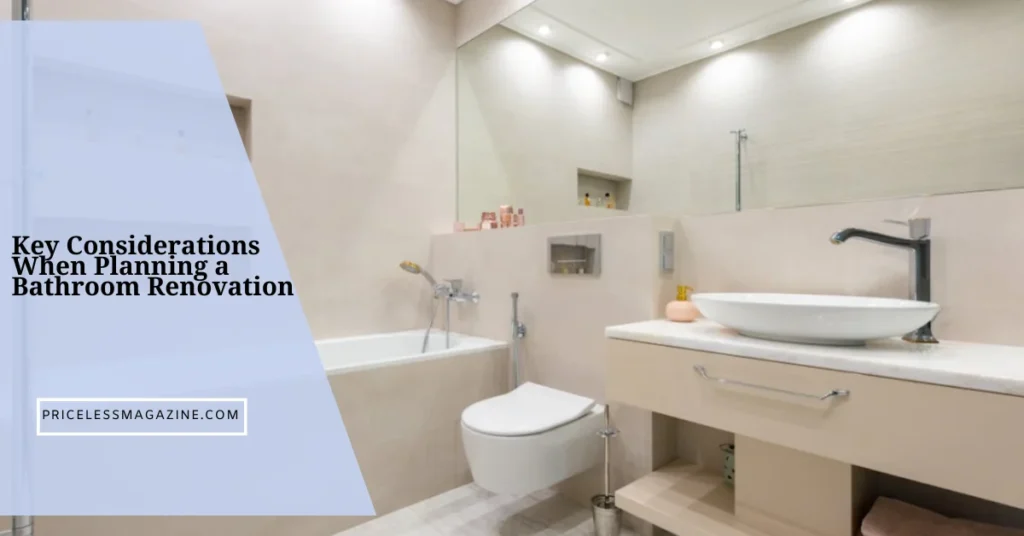

A bathroom renovation can dramatically improve how your home feels and functions. It is one of the few spaces you use every single day, so even small upgrades can make a noticeable difference in comfort and efficiency. Beyond daily convenience, an updated bathroom often delivers a strong return on investment. In competitive housing markets such as Cincinnati and Louisville, well-designed bathrooms consistently rank among the features buyers pay close attention to.
That said, a successful renovation takes more than choosing stylish tile and modern fixtures. Behind every beautiful bathroom is careful planning that accounts for plumbing lines, ventilation requirements, and moisture control. Homeowners often begin with inspirational photos, but the real progress starts when you align your design ideas with structural realities. Working with an experienced professional early in the process can help clarify what is feasible within your space and budget.
Planning and Budgeting: Building a Solid Foundation
Every bathroom renovation should start with a realistic and detailed budget. Many homeowners focus on visible finishes such as vanities and tile, but the largest expenses often involve plumbing adjustments, electrical upgrades, and structural repairs. Once walls and floors are opened, hidden issues like water damage or outdated wiring may surface. Setting aside a contingency fund helps prevent stress if these surprises appear. Speaking with a qualified bathroom remodeling contractor early in the process can help you anticipate these costs and avoid expensive missteps.
Clear planning also protects your timeline. When you outline the full scope of work from the beginning, you reduce the risk of mid-project changes that increase costs. Professional input at this stage helps you understand where spending more adds value and where you can scale back without sacrificing quality. Thoughtful budgeting creates a stable framework that supports every other design decision and keeps the project moving efficiently.
Defining Your Goals: Resale Value vs. Personal Sanctuary
Before choosing finishes, decide why you are renovating. If you plan to sell within a few years, prioritize broad appeal. Neutral color palettes, durable materials, and practical layouts tend to attract more buyers. Updated lighting and modern fixtures can make a strong impression without pushing the design into a niche style that limits interest.
On the other hand, if you intend to stay long-term, design the space around your daily routines. Consider features that improve comfort, such as double sinks, improved storage, or a spacious walk-in shower. When your goal is personal enjoyment, you can tailor the renovation to your preferences while still keeping future resale in mind. Clarity about your purpose makes every decision easier.
Maximizing Layout and Spatial Efficiency
Layout has a direct impact on how functional your bathroom feels. Even a small room can feel comfortable when fixtures are positioned thoughtfully. Before relocating plumbing, evaluate whether minor adjustments can improve flow without major construction. Keeping the toilet and shower in their original locations often reduces costs while still allowing meaningful upgrades.
Smart storage solutions also make a noticeable difference. Wall-mounted vanities, recessed shelving, and built-in niches free up floor space and reduce clutter. Pay attention to door swings and clearance around fixtures so movement feels natural. When you prioritize efficient use of space, the bathroom becomes easier to navigate and more pleasant to use every day.
Choosing Materials Built for High-Moisture Environments
Bathrooms are subject to constant humidity, temperature changes, and direct water exposure. That makes material selection more important here than in almost any other room. Porcelain tile, ceramic tile, and high-quality luxury vinyl perform well because they resist moisture and clean easily. Natural stone can work too, but it requires proper sealing and consistent maintenance to prevent staining and water penetration.
Look beyond surface beauty and pay attention to what sits underneath. Waterproof backer boards, mold-resistant drywall, and quality grout protect the structure behind your walls and floors. Skipping these elements may save money upfront, but it often leads to repairs later. When you invest in durable, moisture-resistant materials from the start, you protect both your design and your budget.
Lighting and Ventilation: Function Meets Comfort
Good lighting shapes how your bathroom looks and how well it works. Start with overhead lighting for general visibility, then add task lighting around mirrors to reduce shadows when shaving or applying makeup. Accent lighting inside niches or under vanities can add depth and improve nighttime visibility. A layered approach makes the space practical without feeling harsh.
Ventilation is just as critical. A properly sized exhaust fan removes excess moisture and helps prevent mold growth, peeling paint, and warped cabinetry. If your bathroom has a window, use it strategically to let in natural airflow and daylight. When lighting and ventilation work together, the room feels brighter, cleaner, and more comfortable every day.
Future-Proofing with Aging-in-Place Features
Even if accessibility is not a current concern, it makes sense to plan. Features such as curbless showers and wider entryways create a more open feel while also improving long-term usability. Reinforcing walls during renovation allows you to install grab bars later without major construction. These small decisions can make a big difference over time.
Safety upgrades do not have to look clinical. Non-slip flooring, comfort-height toilets, and handheld showerheads blend easily into modern designs. By thinking ahead now, you reduce the likelihood of expensive renovations later. A bathroom that adapts to changing needs supports both independence and peace of mind.
DIY vs. Professional Expertise: Knowing Your Limits
Some updates are well within reach for a confident homeowner. Painting walls, replacing cabinet hardware, or installing a new mirror can refresh the space without major risk. These smaller projects allow you to personalize the room while keeping costs manageable. Still, it is important to recognize where DIY efforts should stop.
Plumbing rerouting, electrical upgrades, tile waterproofing, and structural modifications require professional skill and compliance with codes. Mistakes in these areas can lead to leaks, mold, or safety hazards. Hiring experienced professionals ensures the work meets local regulations and stands the test of time. Knowing when to step back protects your investment and your home.
A successful bathroom renovation depends on careful planning and informed decisions. Durable materials, proper lighting, effective ventilation, and forward-thinking design choices all contribute to long-term performance. Clear goals and realistic budgeting guide the process from start to finish. When you combine thoughtful design with skilled execution, you create a space that supports your daily routine and strengthens your home’s overall value.