
As businesses strive to improve communication workflows, the choice between adopting a fax API and maintaining traditional fax machines becomes increasingly pivotal. With each solution offering distinct advantages, understanding their impact on day-to-day operations is critical for making an informed decision. Noting the decline in traditional fax machine usage, a notable trend is the rise of fax APIs which streamline the process by integrating directly into applications businesses already utilize.
Choosing the right faxing solution can lead to significant gains in productivity and cost savings. Evaluate the factors that influence operational efficiency, including technology, cost, security, and scalability. Below, we delve into these elements to aid in the decision-making process for your business.
Fax API vs Traditional Fax Machines: Assessing the Technological Shift
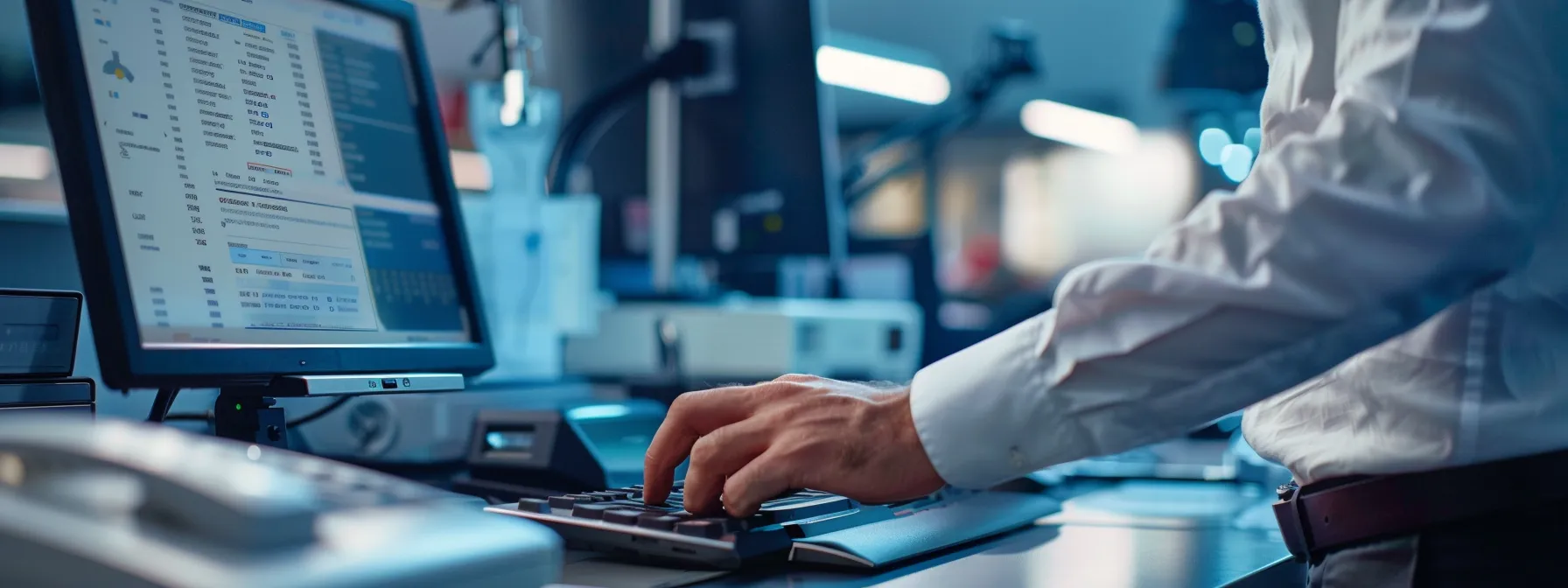
In the age of digital transformation, fax APIs represent an evolutionary leap beyond conventional fax machines. Unlike the physical hardware with its manual processes, fax APIs leverage internet protocols to facilitate rapid and automated fax communications directly through software applications.
Companies can eliminate the need for paper, toners, and maintenance by using fax APIs, which translates into time saved and fewer interruptions in the workflow. With traditional fax machines, documents typically require scanning and manual feeding into the machine, leading to inefficiencies and increased labor costs.
fax api To make an informed decision, businesses should weigh the immediacy and automation of fax APIs against the familiarity and physical control of traditional machines. While newer companies may naturally gravitate towards a digital-first approach, established companies may benefit from a phased transition to appreciate the full advantages of API integration.
Cost and Efficiency: Analyzing the Financial Implications for Your Business
From a financial standpoint, the shift to a fax API could potentially translate into significant cost savings. Traditional fax machines incur expenses not just for the hardware, but also for ongoing supplies, repairs, and potentially dedicated phone lines—each contributing to the total cost of ownership.
Conversely, fax APIs follow a usage-based pricing model that typically scales with your business needs. This means that you’ll pay for what you use without the overhead of physical infrastructure. Moreover, the automation and integration capabilities of a fax API must be factored in, as they can amplify productivity and reduce manpower costs.
Consider performing a cost-benefit analysis to understand the long-term financial implications of both faxing methods. Compare the overall costs related to traditional faxing with the subscription or pay-as-you-go pricing models of fax APIs, factoring in the potential for efficiency-driven cost savings.
Security and Compliance: Ensuring Data Protection in Fax Communications
Security is a paramount concern, especially when dealing with sensitive information. Traditional fax machines can present risks such as physical document theft or interception of phone lines. In contrast, fax APIs typically provide robust data encryption and secure transmission practices to protect the integrity of your data.
Fax APIs often align with compliance standards like HIPAA, GLBA, or GDPR, offering peace of mind when transferring confidential information. By employing strict security measures, these services ensure that data breaches are less likely than with the physical vulnerabilities of traditional machines.
When assessing security options, it’s essential to verify the security certifications of your chosen fax API provider. Look for services that offer detailed logs and secure archiving, ensuring that you have the necessary tools to prove compliance and safeguard your communication data.
Integration and Scalability: Adapting to the Modern Business Environment

The ability to integrate seamlessly with existing business systems is a compelling argument for choosing a fax API over traditional fax machines. This compatibility allows for improved workflows and the automation of document transmission processes.
As a business grows, scalability becomes essential. A fax API can easily accommodate increasing volumes of faxes without the need for additional hardware investments. This flexibility allows organizations to scale their faxing needs in alignment with business growth and fluctuating demand.
Focusing on future needs, select a fax API that offers robust integration capabilities and supports scalable architecture. Ensure that the provider can handle your projected volume of faxes, and their system can be finely tuned to integrate with your existing CRM, ERP, or other systems.
In conclusion, weighing the pros and cons of fax APIs and traditional fax machines hinges upon assessing technological shifts, financial impacts, security concerns, and the capacity for integration and scalability. By carefully examining these factors, businesses can select a fax solution that not only meets their current requirements but also accommodates future growth and changes in the market landscape.