
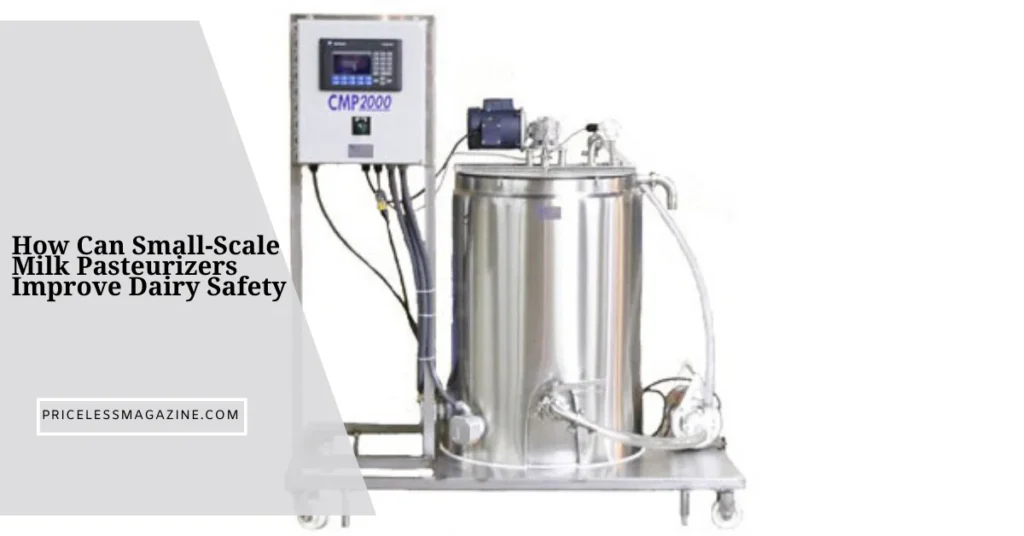

Small-scale milk pasteurizers give local dairy producers a safer and more efficient way to handle raw milk. The process heats milk to specific temperatures that kill harmful bacteria while maintaining its natural flavor and nutritional value. They improve dairy safety without losing nutrient quality by using controlled heat levels that protect proteins, vitamins, and beneficial enzymes.
These compact systems suit small farms and artisanal producers that value fresh, wholesome milk with consistent results. They provide greater control over temperature and time, reducing contamination risk and helping each batch meet safety regulations. As a result, producers can deliver products that are both safe and naturally nutritious.
This balance between safety and quality forms the core of modern small-scale pasteurization. It connects sustainable local farming with consumer demand for fresh, nutrient-rich dairy. Understanding how these systems work reveals why they matter for both producers and the communities that depend on them.
Role of Small‑Scale Milk Pasteurizers in Improving Dairy Safety
Small‑scale pasteurizers heat raw milk to safe levels that kill harmful microbes without damaging the milk’s natural nutrients or flavor. These compact machines reduce contamination risks, compare favorably to industrial systems, and help small farms maintain consistent product quality.
Pathogen Reduction and Contamination Control
Small‑scale pasteurizers use controlled heat to kill bacteria such as Listeria, Salmonella, and E. coli. The process keeps milk above a target temperature long enough to destroy microorganisms but below a temperature that would alter taste or degrade vitamins. By following this balance, producers maintain safe milk that still feels “fresh.”
Most units include sealed chambers and stainless‑steel surfaces to lessen contamination after treatment. Accurate temperature gauges and timers help operators prevent under‑ or over‑heating. These machines support regular cleaning cycles that remove residue between batches, lowering the chance of post‑pasteurization contamination.
Producers also gain flexibility in processing small batches. This approach cuts waste and limits the risk of mixing contaminated milk with larger tanks. An affordable milk pasteurizer machine for home dairies allows small dairy owners to manage safety on their own schedule without complex equipment.
Comparison With Traditional Pasteurization Methods
Traditional large-scale pasteurizers handle thousands of liters daily, which suits industrial operations but often restricts control over smaller or specialized batches. In contrast, small‑scale systems process less milk with more precise temperature control. This setup supports immediate cooling, helping maintain nutrients such as calcium and B vitamins.
Batch pasteurization, common among local producers, involves moderate heat for a longer time. Large continuous systems, however, use higher heat for shorter periods. While both methods reduce pathogens, small‑scale units give users better oversight and flexibility. As a result, producers can adjust settings quickly based on milk quality or hygiene conditions.
These compact pasteurizers also consume less energy. Lower energy use cuts fuel costs and reduces environmental impact. This combination of precision, energy efficiency, and ease of maintenance makes small models suitable for farms and home dairies that value food safety and product consistency.
Benefits for Local and Artisanal Producers
Small‑scale pasteurizers allow local farmers and artisanal producers to improve milk quality while keeping operations simple. They help meet safety standards that customer expectations and food regulations demand. Producers can confidently sell milk, cheese, or yogurt that is safe for consumption and still tastes natural.
Because these units work well with small volumes, they support business models that rely on freshness and quick supply chains. Local dairies benefit from pasteurizers that prevent spoilage before delivery, thereby reducing product loss.
Maintenance is straightforward, and parts are easy to clean or replace. Compact equipment also reduces the space required for setup, making it ideal for rural or home operations. Over time, this low‑cost tool helps small producers stay competitive by balancing safety, efficiency, and nutrient retention in every batch.
Balancing Nutrient Preservation With Dairy Safety
Safe dairy production depends on well-controlled heat treatment that kills harmful bacteria without destroying nutrients. Careful temperature and time management in small-scale pasteurizers allows producers to maintain the natural quality of milk while meeting food safety standards.
Retention of Vitamins and Proteins
Pasteurization protects public health by eliminating pathogens such as Listeria and Salmonella. However, excessive heat can damage heat-sensitive nutrients. Vitamins B2 and B12 are the most affected during high-temperature treatments, while Vitamin A and Vitamin D remain stable.
Milk proteins such as casein and whey largely survive standard pasteurization. Their structure may slightly change, but they still provide the same nutritional value. Research shows that moderate pasteurization temperatures preserve more than 95% of total protein. Therefore, producers who use gentle heat control achieve good microbial safety while keeping nutrient losses minimal.
Heat exposure also affects enzymes that influence flavor and digestion. Enzymes like lipase deactivate at higher temperatures, which prevents spoilage but alters taste. Balancing this reaction helps maintain natural milk flavor and smooth texture. By recording temperature data and performing frequent tests, small dairy processors avoid both nutrient loss and under-pasteurization.
Optimizing Pasteurization Parameters
Producers must determine the appropriate relationship between heat intensity and exposure time to guarantee safe results. The most used method, known as low-temperature, long-time (LTLT) pasteurization, heats milk to about 63°C for 30 minutes. High-temperature, short-time (HTST) raises it to around 72°C for 15 seconds. Both kill harmful microbes, but the shorter process often keeps more nutrients intact.
Small-scale pasteurizers allow more accurate control over these settings. Automated sensors monitor temperature and cooling cycles, preventing both under- and over-processing. This precision helps balance microbial destruction and nutrient protection.
Operators should also use rapid cooling after heat treatment. Quick cooling prevents bacterial regrowth and limits further vitamin breakdown. As a result, the final product retains its freshness, flavor, and color without extra preservatives.
Consumer Perception of Nutrient Quality
Consumers often associate pasteurization with nutrient loss. Education helps correct this belief by showing that well-managed heat treatment keeps nearly all natural nutrients. Customers value safety but also expect a wholesome product that feels close to raw milk.
Producers can improve trust by sharing clear lab results, processing details, or quality seals on packaging. Transparency shows that safe treatment does not equal over-processing.
Taste, texture, and shelf life also influence perceptions of quality. If milk feels fresh and natural, consumers believe it retains nutrition. Through consistent production and open communication, small dairy operators can meet both safety expectations and nutritional standards.
Conclusion
Small-scale milk pasteurizers enable producers to produce safer dairy products while preserving natural nutrients. These systems heat milk to precise temperatures that kill harmful bacteria but avoid damaging proteins, vitamins, or flavor. As a result, small farms can produce clean and nutritious milk.
They also help maintain steady product quality by controlling time and temperature accurately. This consistency supports consumer trust and reduces waste. In addition, producers can use smaller pasteurizers to process limited batches that meet local demand without large equipment costs.
By combining safety with nutrient retention, small-scale pasteurizers help dairy operations balance health, taste, and efficiency. They show how thoughtful technology can protect both people and product quality.