
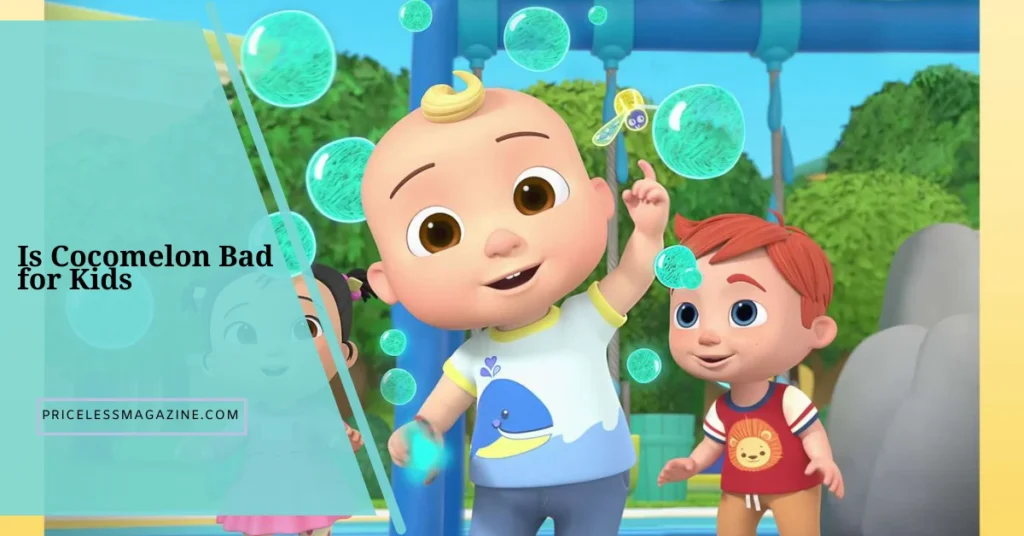

Many parents search is cocomelon bad for kids because they notice changes in their child’s behavior after watching the show. Cocomelon is one of the most popular children’s programs in the world, filled with bright colors, cheerful songs and fast paced animations. While many kids enjoy the show, some parents feel unsure whether it is overstimulating or harmful.
This detailed guide explains how Cocomelon may affect kids, why some children react strongly to it, the benefits it still offers, age based considerations, and how to use it safely. Everything is written in simple, easy language so any parent can understand it without stress or confusion.
Is Cocomelon Bad for Kids
The short answer is that Cocomelon is not automatically bad for kids. The show is designed for entertainment and basic learning. However some children may become overstimulated because of the fast visuals, high energy songs and constant movement. Cocomelon becomes concerning only when screen time is excessive or when the child shows clear signs of overstimulation.
In most cases the show is safe when used in moderation with healthy screen habits.
Why Some Parents Think Cocomelon Is Bad for Kids
Many conversations online raise concerns about how children behave after watching the show. These concerns come from the style of animation and pacing.
Fast Paced Visuals
Cocomelon uses quick scene changes bright colors and constant action. Young brains may struggle to keep up which can lead to restlessness or a short attention span in some kids.
Constant Music and High Energy
The nonstop singing and sound effects create strong sensory input. Sensitive children may find this overwhelming and may act fussy when the show ends.
Short Attention Holding Style
The show moves rapidly from one scene to another. Children who watch it very often may become accustomed to fast stimulation and may find slower activities boring.
Emotional Responses After Watching
Some parents report tantrums or crying when the show is turned off. This is usually a sign of overstimulation rather than addiction.
Why Cocomelon Is Not Necessarily Bad
While some kids may react strongly to fast content, the show itself is not harmful. Many children learn songs routines and basic concepts from watching Cocomelon.
Gentle Educational Themes
Episodes teach letters numbers colors family routines and basic manners. Kids learn through repetitive storytelling and music.
Kid Friendly Stories
The show focuses on soft day to day themes like cleaning up playing outside visiting family or brushing teeth. These relatable scenes comfort young children.
Familiar Routines
Cocomelon songs mirror activities kids do in daily life making it helpful for building habits.
Simple Predictable Patterns
Predictable rhythm helps some children feel calm and secure.
How Cocomelon Might Affect Kids Based on Age
Different age groups process visual and audio stimulation differently. The effect of Cocomelon depends heavily on the child’s age and sensitivity.
Babies and Toddlers
These ages have developing brains that can get overstimulated quickly. Fast visuals may lead to restlessness or an emotional crash after the show ends.
Preschoolers
Preschoolers often enjoy the fun songs and bright animations. They can handle more stimulation but still need limited screen time.
Older Children
They process animations better and may not show strong reactions. Cocomelon has less educational value for older kids so it becomes entertainment rather than learning.
Signs Your Child May Be Overstimulated by Cocomelon
Overstimulation happens when a child’s brain receives more information than it can process at once. Here are clear signs parents can look for.
Tantrums After Screen Time
Sudden crying or shouting after turning off the show may indicate sensory overload.
Difficulty Focusing on Slower Activities
A child may refuse to sit still for books puzzles or quiet play after watching fast paced content.
Hyperactive Energy After Watching
Some kids show heightened excitement or restlessness after the show ends.
Fixation on Songs or Characters
Constant requests to watch the show repeatedly or frustration when denied can signal too much exposure.
How to Use Cocomelon Safely and Responsibly
Cocomelon can still be a fun and helpful show when used with healthy limits. Parents can support balanced viewing with simple habits.
Limit Screen Time
Follow age appropriate guidelines. Younger children benefit from short sessions rather than long viewing.
Choose Calm Episodes
Some episodes move slower and have softer scenes. These are better choices for sensitive children.
Watch Together When Possible
Watching with your child helps them process content and turn passive viewing into interaction.
Make It Interactive
Sing along, repeat the words, or talk about what the characters are doing. This turns screen time into learning time.
Healthy Alternatives to Cocomelon
Variety helps kids learn to enjoy different types of stimulation. Balanced viewing habits include mixing fast shows with slower content.
Slower Paced Shows
Gentle storytelling, simple visuals and calm voices help balance sensory activity.
Educational Music Channels
Channels with soft tunes or simple rhythms support learning without overwhelming the senses.
Offline Activities
Reading, drawing, singing, building blocks or outdoor play offer natural sensory input that strengthens development.
Expert Perspective on Screen Time and Kids
Cocomelon itself is not the issue for most children. The main challenge comes from overstimulation and excessive screen time.
Overstimulation Explained Simply
When young brains receive too much noise and motion they cannot process it all smoothly. This leads to big emotions or difficulty settling down.
Importance of Real World Interaction
Talking, playing, exploring and bonding with adults offers learning that screens cannot replace.
Balance Over Restriction
Moderation helps children enjoy shows like Cocomelon without any negative side effects.
Myths About Cocomelon and Kids
There are several misunderstandings about the show. Clearing these myths helps parents stay informed without unnecessary fear.
Myth Cocomelon Causes Disorders
There is no evidence that the show causes disorders. Behavior changes usually relate to screen time habits not the show itself.
Myth All Fast Shows Are Bad
Some kids handle stimulation well. Others are more sensitive. Every child is different.
Myth Educational Shows Replace Real Learning
Screens may support learning but cannot replace real human interaction and hands on activities.
Benefits Kids Can Gain from Watching Cocomelon
With healthy use Cocomelon can offer positive experiences for children.
Music and Rhythm Development
Kids learn rhythm, beats and lyrics through fun repetitive songs.
Routine Building
Songs about brushing teeth, cleaning up and bedtime help reinforce daily habits.
Vocabulary Exposure
Kids hear new words, phrases and simple instructions through storytelling.
Emotional Storytelling
Characters display simple emotions that help kids understand feelings.
Balanced Answer to Is Cocomelon Bad for Kids
A balanced perspective helps parents make confident decisions.
It Depends on Duration
Short controlled sessions are usually fine for most children.
It Depends on the Child
Each child reacts differently to stimulation. Some are sensitive to light and sound, while others enjoy fast visuals.
It Depends on Overall Habits
Cocomelon becomes problematic only when used excessively or when it replaces real play and interaction.
How Parents Can Create Healthy Screen Habits
Balanced habits help kids enjoy screen time without overstimulation.
Introduce Screen Time Slowly
Start with short sessions so kids learn to transition calmly.
Provide Breaks
Breaks help reset the brain and reduce sensory overload.
Mix Quiet and Active Play
This prevents reliance on fast paced entertainment.
Avoid Screen Time Before Bed
Bright stimulating content may make falling asleep more difficult.
How to Tell If Your Child Handles Cocomelon Well
Some kids enjoy the show without any negative effects. These signs show that your child is handling it comfortably.
Calm Transitions After Viewing
If they can switch to quiet play easily there is no overstimulation issue.
Balanced Interest
If they enjoy other toys, games and activities they are not dependent on the show.
No Negative Behavior
If they watch happily and continue their day normally the show is not affecting them negatively.
Frequently Asked Questions
Find answers to the most common questions
Is Cocomelon bad for kids?
No it is not automatically bad. Issues happen only when screen time is excessive or overstimulating.
Why does Cocomelon overstimulate children?
Fast visuals bright colors and rapid transitions can overwhelm developing brains.
How much Cocomelon is too much?
Short sessions are recommended. Long viewing times may cause overstimulation.
Why does my child cry when Cocomelon stops?
This usually happens because the sudden drop in stimulation feels uncomfortable.
Is Cocomelon good for learning?
It teaches simple routines vocabulary and music skills through songs.
Can babies watch Cocomelon safely?
Babies may get overstimulated easily so short limited viewing is best.
Is Cocomelon addictive for kids?
Kids may become highly engaged due to fast pacing but balanced habits prevent dependence.
What age is Cocomelon appropriate for?
Toddlers and preschoolers may enjoy it when watched in moderation.
Does Cocomelon affect attention span?
Fast content may affect some children but balanced use reduces this risk.
What shows are calmer than Cocomelon?
Simple storytelling nature shows and soft music videos offer gentler stimulation.
Conclusion
Understanding is cocomelon bad for kids helps parents make informed decisions about screen time. Cocomelon is not harmful on its own. It becomes concerning only when children watch it for long periods without breaks or when they show clear signs of overstimulation. With balanced habits the show can be a fun educational activity that teaches songs routines and simple skills.
The key is moderation variety and engagement. When parents guide screen time with care children can enjoy Cocomelon without negative effects.