
The internet is full of trends that start with curiosity and grow into worldwide conversations. One of those is mewing, a term that began as a posture technique but has evolved into a modern slang symbol for self-improvement, appearance enhancement, and discipline.
If you’ve seen people mention mewing on TikTok or in memes and wondered what it means, you’re not alone. The phrase has become part of pop culture, fitness discussions, and humor all at once. Let’s explore what mewing meaning in slang really is, where it came from, and why it’s trending.
Understanding What Mewing Means
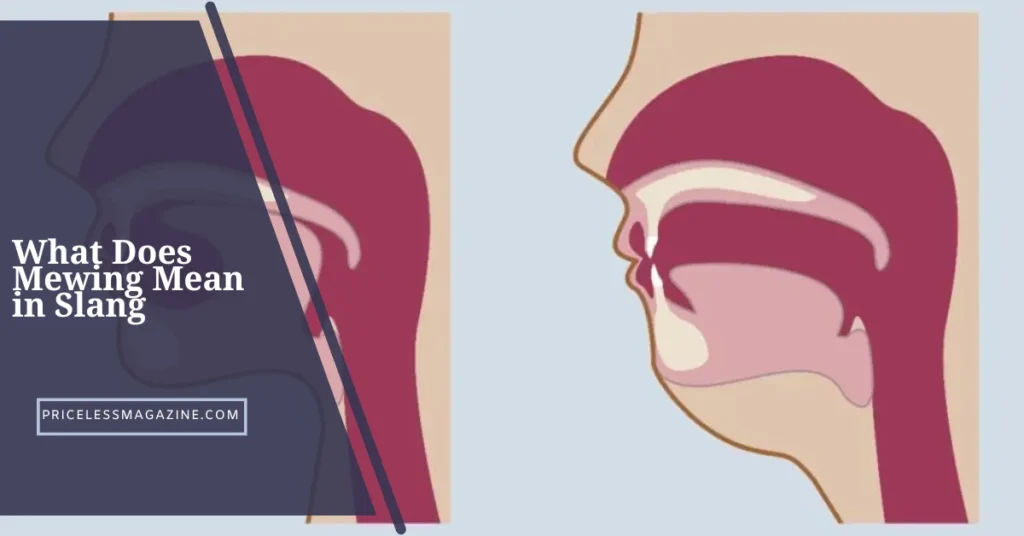
In simple terms, mewing refers to a tongue posture technique. It involves placing your entire tongue on the roof of your mouth while keeping your teeth lightly touching and breathing through your nose. The goal is to encourage proper facial alignment and possibly create a sharper jawline over time.
But beyond its physical roots, mewing in slang means something much broader. It’s become a representation of the self-improvement movement, the idea of taking control of your looks, confidence, and habits through discipline. Online, it’s often used humorously or motivationally, depending on the context.
The Origin of Mewing
The concept of mewing originally came from Dr. John Mew and Dr. Mike Mew, two British orthodontists. They introduced it as a way to improve jaw structure and breathing posture.
Although it started as a scientific method, it didn’t become popular until creators on YouTube and TikTok began sharing transformation videos showing sharper jawlines after practicing mewing. From there, it became a viral topic discussed not only for its potential results but also for what it represented, control, effort, and natural improvement.
Soon, mewing turned into a meme, a challenge, and a slang term used in self-improvement, beauty, and humor spaces across the internet.
Mewing Meaning in Slang
When used as slang, mewing means more than just a physical action. It’s now a way of expressing personal growth and appearance enhancement.
Here’s how people use it online:
- Literal use: Practicing tongue posture to define the jawline.
- Symbolic use: Working on yourself naturally without surgery or shortcuts.
- Humorous use: Mocking the idea that simply moving your tongue can transform your face overnight.
For example:
- “He started mewing and now thinks he’s a model.”
- “Mewing, gym, and mindset, the new holy trinity.”
In everyday slang, mewing reflects dedication, self-awareness, and confidence, even when it’s used jokingly.
Why Mewing Became a Viral Trend
There are a few reasons mewing spread across platforms so quickly.
- Visual Transformation: People love watching before-and-after results, especially those showing natural improvement.
- Simplicity: It’s easy to try and doesn’t cost anything, making it accessible to everyone.
- TikTok Challenges: Users create short clips demonstrating their progress or joking about it.
- Self-Improvement Culture: Fits the popular theme of “glow-ups” and personal development.
- Meme Appeal: Its name and concept are catchy, making it easy to turn into jokes and trends.
Mewing connects to the idea that small, consistent actions can create noticeable results, a message that resonates deeply with today’s online audiences.
Mewing on Social Media
The meaning of mewing changes depending on the platform.
- TikTok: The most popular hub for mewing videos, where creators demonstrate techniques or post progress clips using trending audio.
- YouTube: Longer discussions and tutorials explaining the science or debating whether it really works.
- Reddit: Communities where people share experiences, results, or doubts about mewing’s effectiveness.
- Instagram and memes: Posts combining humor and motivation, using phrases like “Day 3 of mewing, still ugly but trying.”
This combination of education, motivation, and entertainment helped mewing evolve from a technique into a cultural symbol.
The Symbolism Behind Mewing
Beyond physical transformation, mewing represents broader ideas that define modern internet culture.
1. Self-Improvement
It stands for taking small, consistent steps toward improvement, both physically and mentally.
2. Discipline
Since it requires daily awareness and effort, mewing symbolizes self-control and commitment.
3. Confidence
The act of working on one’s posture or jawline often boosts confidence, becoming a metaphor for self-assurance.
4. Humor and Irony
Many users also use it sarcastically to mock unrealistic beauty expectations, showing that the trend is self-aware and playful.
So when people talk about mewing in slang, they’re not just referring to a facial exercise, they’re describing a lifestyle of focus, self-betterment, and sometimes self-deprecating humor.
How to Mew Correctly
Although the slang meaning is fun and cultural, the real technique behind mewing is simple and safe when practiced correctly.
Follow these steps:
- Keep your mouth closed with lips touching lightly.
- Press the entire tongue, including the back part, against the roof of your mouth.
- Allow your teeth to rest gently together without clenching.
- Keep your chin slightly tucked and maintain good posture.
- Breathe naturally through your nose.
Doing this regularly can help you become more aware of posture and breathing patterns, which might improve your overall facial tension and confidence.
The Science Versus the Slang
There’s a difference between scientific mewing and slang mewing.
- Scientific side: Focuses on jaw alignment and oral posture. It may benefit younger individuals whose facial bones are still developing.
- Slang side: Focuses on the mindset, working on yourself, even if the physical results are minimal.
Many people don’t practice mewing for proven results but for the feeling of progress and control it gives them. It’s part of the online “glow-up” mindset that celebrates self-discipline in every form.
The Role of Mewing in Meme Culture
No viral term is complete without becoming a meme, and mewing is no exception.
Memes often feature people exaggerating the effects of mewing after just one day, or showing humorous “jawline transformations” using filters. Some include captions like:
- “Me after 3 minutes of mewing: model mode activated.”
- “Started mewing, waiting for my superhero jawline to appear.”
These jokes keep the trend alive, turning it into both a fitness routine and a shared joke that unites online communities.
Common Misunderstandings About Mewing
Because of how viral the topic is, several misconceptions surround it. Here are the most common myths and the truth behind them:
- Myth: Mewing instantly changes your jawline.
Truth: Real changes take months or years, and may be subtle. - Myth: It’s a medical miracle.
Truth: While it can improve posture, there’s limited evidence for major physical transformation. - Myth: Only men mew.
Truth: People of all genders practice mewing for posture and self-awareness. - Myth: It’s harmful.
Truth: When done gently and naturally, mewing is safe for most people.
Understanding these facts helps separate realistic practice from internet exaggeration.
The Deeper Cultural Meaning of Mewing
In modern slang, mewing stands for much more than facial improvement. It’s part of a digital mindset that values self-discipline, natural enhancement, and authenticity.
It connects to broader online themes like:
- The “glow-up” journey: Celebrating small progress.
- Body positivity: Focusing on self-care without drastic changes.
- Confidence culture: Building inner strength by feeling in control.
In this sense, mewing isn’t just about how you look but about how you carry yourself and approach self-growth.
Why Mewing Has Lasted as a Trend
Many online fads fade quickly, but mewing continues to stay relevant because it taps into timeless values, self-discipline and confidence.
People appreciate trends that mix simplicity with meaning. Whether taken seriously or humorously, mewing gives people a sense of participation in the broader self-improvement culture. It’s relatable, low-effort, and endlessly remixable, keeping it alive in social media feeds.
Frequently Asked Questions
Find answers to the most common questions
What does mewing mean in slang?
It means practicing a tongue posture technique that symbolizes self-improvement, confidence, and appearance awareness in online culture.
Who started the mewing trend?
It originated from orthodontists John and Mike Mew but became popular through YouTube and TikTok creators.
Why is mewing popular on TikTok?
Because it’s simple, visual, and fits into the glow-up and self-improvement trends loved by social media users.
Is mewing real or just a meme?
It’s both — a real posture method that became a viral meme and motivational slang.
Can mewing change your face shape?
It may influence posture and muscle tone but usually won’t cause major physical changes for adults.
Why do people use mewing as slang?
Because it represents natural self-improvement and confidence in an easy, trendy way.
How often should someone practice mewing?
It’s meant to be a consistent habit, practiced gently throughout the day rather than as an intense exercise.
Final Thoughts
The mewing meaning in slang has evolved far beyond its original orthodontic idea. Today, it represents the balance between humor, self-care, and self-discipline.
It’s a perfect reflection of the internet’s dual nature, half serious, half playful where people turn even small acts into cultural symbols. Whether you see it as a joke or a personal goal, mewing captures a universal truth: everyone wants to feel confident and in control of their own transformation.
So, when someone says they’re “mewing,” it’s more than just a tongue exercise, it’s an attitude of progress, awareness, and self-belief.