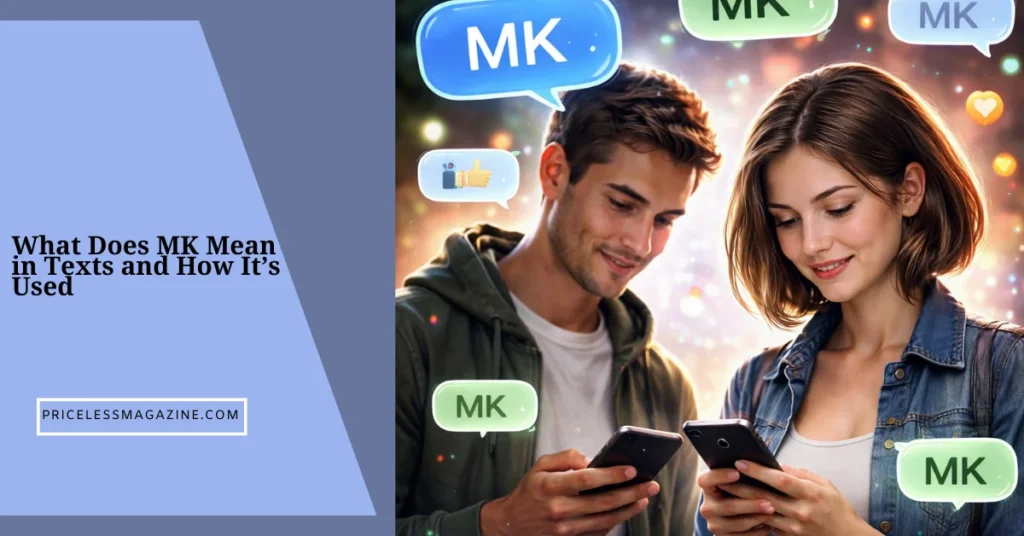

If you have ever received a short reply that simply says MK, you probably wondered what it really means. The quick answer is simple. In most conversations, MK is a casual way of saying “okay” or acknowledging a message. It is commonly used in texting, chat apps, and online communication.
Understanding what MK means in texts is not just about definition. The tone, context, and conversation flow can change how it feels. This guide explains the meaning, emotional tone, real examples, and when you should or should not use it so you can communicate clearly.
Also Read: What Does Igh Mean in Text
Quick Answer: What Does MK Mean in Texts
In texting language, MK is a short reply that usually means okay, understood, or noted. It acts as a neutral acknowledgment rather than a full response.
People use MK when they want to keep conversations brief. It often signals agreement, acceptance, or confirmation without adding extra detail.
Simple Definition
MK is an informal texting abbreviation used as a quick response to show understanding. It is part of modern texting slang where shorter replies save time and effort.
When People Usually Use MK
You will often see MK in:
- Casual conversations
- Quick replies during busy moments
- Confirming plans or instructions
What MK Stands for in Texting
MK is not an acronym with multiple words behind it. Instead, it evolved as a variation of OK. The letters reflect the sound of a short acknowledgment rather than a formal abbreviation.
MK as a Short Form of Okay
Most commonly, MK means the same thing as OK. It signals that a message has been read and understood without adding emotion or commentary.
MK as a Neutral Acknowledgment
Sometimes MK is simply a placeholder response. It keeps the conversation moving without requiring a detailed reply.
Other Possible Interpretations
In rare contexts, MK can imply mild hesitation or indifference depending on tone. This is why understanding context matters.
Tone and Emotional Meaning of MK
Tone is one of the most important parts of texting. Because messages lack voice and facial expressions, even short replies can feel different depending on context.
Neutral vs Dismissive Tone
MK usually sounds neutral. However, if used alone in serious discussions, it may feel slightly distant or disengaged.
When MK Sounds Polite
It feels polite when used:
- In quick confirmations
- During casual chats
- When conversation does not require depth
When MK Might Feel Rude
It can seem abrupt if someone expects a longer reply. Tone perception depends heavily on the relationship and conversation context.
Important: Tone interpretation in digital communication is subjective. What feels neutral to one person may feel dismissive to another.
Also Read:What Does PMO Mean in Text
How MK Is Used in Conversations
MK appears most often in informal texting environments. Its main purpose is to acknowledge information quickly.
Common Situations Where People Reply MK
People typically use MK when:
- Confirming meeting times
- Responding to simple updates
- Ending a conversation politely
Conversation Flow Examples
Example 1
Person A: I will send the file tonight
Person B: MK
Example 2
Person A: Let us meet at 6
Person B: MK sounds good
Differences in Casual vs Serious Chats
In casual chats, MK feels natural. In emotional or serious conversations, it may appear less engaged.
MK vs OK vs K
Different short replies carry subtle differences in tone. Understanding them helps avoid misunderstandings.
| Reply | Tone | Perception |
|---|---|---|
| MK | Neutral casual | Slightly informal |
| OK | Clear and friendly | Neutral positive |
| K | Very brief | Can feel abrupt |
Differences in Tone
MK sits between OK and K. It feels casual but not overly abrupt.
When to Use Each
Use MK for informal chats, OK for clarity, and avoid K if tone matters.
Which Sounds More Friendly
OK usually feels warmer because it is more familiar and slightly more expressive.
MK Meaning on Different Platforms
The meaning of MK stays consistent across platforms, but tone perception may change depending on the communication environment.
MK in Text Messages
In direct messages, MK works as a simple acknowledgment.
MK on Social Media
On social platforms, it is often used in comments or replies to confirm understanding.
MK in Online Gaming Chats
Gamers use MK frequently because short responses keep gameplay communication fast.
Generational and Cultural Differences
Slang interpretation can vary depending on age and communication style.
How Younger Users Interpret MK
Younger users usually see MK as a normal casual reply with no negative tone.
Differences Across Communication Styles
Older users may interpret MK as less enthusiastic because they prefer complete responses. This difference highlights how texting culture evolves over time.
When You Should Use MK
Using MK appropriately depends on context and relationship dynamics.
Situations Where It Fits Naturally
- Confirming information
- Casual everyday chats
- Group conversations
When It May Cause Misunderstanding
Avoid using MK when:
- Discussing emotional topics
- Communicating professionally
- Providing important feedback
Communication Psychology Behind Short Replies
Short replies like MK reflect broader communication patterns in the digital age.
Why People Prefer Short Responses
People use brief messages to save time and maintain conversational efficiency. Quick replies reduce effort while still acknowledging information.
How Tone Shapes Perception
The brain interprets short messages differently depending on expectations. When a conversation is serious, a brief reply may seem disengaged even if the sender had no negative intent.
Impact on Conversation Clarity
While short replies keep conversations efficient, they may reduce emotional clarity. Adding a few extra words can sometimes prevent misinterpretation.
Common Misinterpretations of MK
Misunderstandings happen when tone and context do not align.
When MK Is Misread as Annoyance
If someone expects a longer response, MK may appear uninterested even if the sender simply wanted to be brief.
How Context Changes Meaning
In friendly conversations, MK feels normal. In serious discussions, it may seem dismissive. Context always shapes meaning more than the word itself.
Examples of MK in Real Conversations
Real examples help illustrate how MK works in everyday communication.
Example Scenario 1
Friend: I will call you later
Reply: MK
Example Scenario 2
Colleague: The meeting is moved to tomorrow
Reply: MK thanks
Example Scenario 3
Sibling: Dinner is ready
Reply: MK coming
These examples show how MK functions as a simple acknowledgment rather than a full response.
Slang Terms Similar to MK
Understanding related slang helps clarify tone differences.
OK
The most direct equivalent, widely accepted across all communication styles.
K
A shorter version that can sound abrupt depending on context.
Sure
More expressive and positive than MK.
Got It
More formal and clearer in professional settings.
Why Understanding Texting Tone Matters
Texting tone plays a major role in digital communication. Without vocal cues, readers rely on word choice to interpret meaning.
Recognizing how replies like MK are perceived can improve communication clarity. It helps prevent misunderstandings and keeps conversations smooth.
Understanding tone also supports better relationships because people feel heard and acknowledged.
FAQs
Find answers to the most common questions
Does MK have different meanings in professional communication?
In professional settings, MK is rarely used because clearer responses are preferred to avoid ambiguity.
Can MK signal agreement without enthusiasm?
Yes, it can indicate acceptance without strong emotion, especially in neutral conversations.
Is MK more common in fast paced conversations?
It appears frequently when people want quick confirmations without interrupting the flow of discussion.
Can MK change meaning depending on punctuation?
Adding punctuation or extra words can make it feel friendlier or more engaged.
Why do some people avoid using MK?
Some prefer fuller responses because they provide more clarity and emotional context.
Conclusion
MK is a simple yet powerful part of modern texting language. It usually means okay or understood, but its tone depends on context and relationship dynamics. While it keeps conversations quick and efficient, awareness of tone ensures it does not come across as dismissive.
By understanding its meaning, emotional nuance, and appropriate usage, you can communicate more clearly in digital conversations. Small details like word choice can make a big difference in how messages are received.