
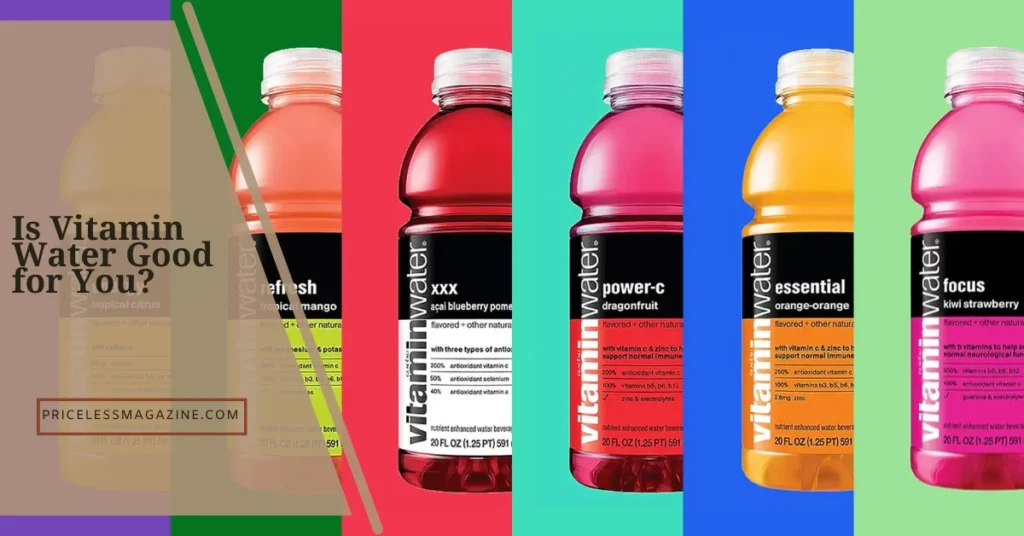

Vitamin water is one of those drinks that looks and sounds healthy. It’s colorful, convenient, and often marketed as a smarter alternative to soda or sports drinks. But the question remains, is vitamin water good for you? The answer isn’t black and white. While it offers some benefits, there are also downsides hidden behind the appealing packaging.
This article explores everything you need to know about vitamin water from its ingredients and nutritional value to the real health effects it can have on your body.
What Is Vitamin Water?
Before we discuss whether vitamin water is good for you, let’s understand what it actually is.
Vitamin water is a flavored beverage that contains added vitamins, minerals, and sometimes electrolytes. It’s designed to help people stay hydrated while getting extra nutrients in a convenient way.
Many brands produce different variations, some focus on energy, others on immune support, and some claim to promote focus or relaxation. Each type contains different blends of vitamins like B-complex, vitamin C, and sometimes minerals such as magnesium, potassium, or zinc.
However, despite these added nutrients, not all vitamin waters are created equal. Some versions contain high amounts of sugar, artificial sweeteners, or flavor enhancers, which can affect how healthy the drink truly is.
Nutritional Breakdown of Vitamin Water
To know is vitamin water good for you, it’s important to look beyond the label and understand what’s inside the bottle.
Vitamins and Minerals
Most types of vitamin water are enriched with a combination of essential nutrients, including:
- Vitamin C for immune support
- Vitamin B3 (Niacin) for metabolism and energy
- Vitamin B6 and B12 for brain and nerve health
- Pantothenic acid (B5) for energy production
These vitamins can be beneficial, especially for people who don’t get enough through their daily diet.
Sugar and Calories
This is where things get tricky. Many commercial vitamin waters contain a significant amount of sugar often around 20–30 grams per bottle. That’s about as much as a can of soda.
High sugar intake can increase calorie consumption, cause blood sugar spikes, and contribute to long-term issues like weight gain and insulin resistance.
Artificial Sweeteners and Flavors
To cater to health-conscious consumers, some brands now use artificial sweeteners instead of sugar. While this reduces calories, it raises other questions about how safe and natural these ingredients are for long-term use.
Potential Benefits of Vitamin Water
Despite some drawbacks, vitamin water isn’t all bad. There are situations where it can provide benefits especially when consumed in moderation.
Convenient Hydration
One of the biggest advantages of vitamin water is that it makes hydration easier for people who struggle to drink plain water. The light flavor encourages regular fluid intake, which helps maintain healthy hydration levels.
Extra Vitamins on the Go
Vitamin water can help supplement your daily vitamin intake. For people with busy lifestyles or mild deficiencies, it offers an easy way to boost essential nutrients like vitamin C or B12.
Better Than Sugary Sodas
When compared to soft drinks or high-calorie energy drinks, vitamin water is a better choice. It contains fewer calories and provides added nutrients that soda lacks.
Why Vitamin Water May Not Be as Healthy as It Seems
Although vitamin water can look like a healthy choice, there are reasons to be cautious.
Hidden Sugar Levels
If your goal is to stay healthy or manage weight, drinking a sugar-loaded vitamin water every day might work against you. The sugar in these drinks can lead to energy crashes, cravings, and even dental problems.
Overconsumption of Vitamins
Your body only needs a certain amount of vitamins each day. Drinking multiple bottles of vitamin water can lead to excessive intake, especially of fat-soluble vitamins, which the body doesn’t easily flush out.
Artificial Additives
Some versions use synthetic flavors, preservatives, or colorants that don’t add nutritional value and may irritate sensitive individuals.
Misleading Marketing
The word “vitamin” gives an impression of health, but not all products live up to that promise. Some brands focus more on taste and branding than actual health benefits.
Is Vitamin Water Better Than Regular Water?
The comparison between vitamin water and plain water is where most people get confused.
Natural Water vs. Fortified Drinks
Plain water hydrates your body perfectly, it’s calorie-free, sugar-free, and essential for life. Vitamin water, while fortified, adds unnecessary sugars and artificial components that regular water doesn’t need.
When Vitamin Water Might Help
In specific situations, such as after a workout or when recovering from mild dehydration, vitamin water with electrolytes may be useful. It helps replenish minerals lost through sweat and can be more enjoyable to drink.
When to Choose Regular Water
For everyday hydration, regular water is the better option. It keeps your system balanced without adding calories or sugars. You can easily get your vitamins through food or supplements instead.
Healthier Alternatives to Vitamin Water
If you’re looking for a more natural way to enjoy flavored hydration, several options are healthier than commercial vitamin water.
Fruit-Infused Water
Add slices of lemon, cucumber, berries, or mint leaves to plain water. It creates a refreshing, lightly flavored drink with zero added sugar.
Electrolyte Water
For athletes or people who sweat heavily, electrolyte-enhanced water can help replace minerals like sodium and potassium without extra sugar.
Natural Juices and Herbal Teas
Diluted fruit juices or herbal teas can also provide vitamins and antioxidants naturally, though they should still be consumed in moderation.
Who Should Avoid Vitamin Water?
Not everyone benefits from drinking vitamin water regularly. For some people, it might cause more harm than good.
Individuals with Diabetes or High Blood Sugar
Since some vitamin waters contain high sugar levels, they can cause spikes in blood glucose. Sugar-free versions may seem safer, but artificial sweeteners can still affect insulin sensitivity in some individuals.
Those Taking Supplements
If you already take daily vitamin supplements, drinking vitamin water could lead to vitamin overload. This might cause side effects like headaches, nausea, or fatigue.
Children and Pregnant Women
Children may be attracted to the taste but could consume too much sugar or vitamins for their body’s needs. Pregnant women should also consult a healthcare provider before consuming fortified drinks frequently.
How to Choose a Healthier Vitamin Water
If you enjoy vitamin water and want to include it in your lifestyle, there are ways to make smarter choices.
- Check the label carefully. Look for low or no-sugar versions.
- Avoid artificial colors or preservatives. The fewer ingredients, the better.
- Choose options with real vitamins. Look for recognizable nutrients like B12, C, and magnesium.
- Moderate consumption. Treat it as an occasional beverage, not a daily necessity.
- Stay balanced. Get most of your vitamins from whole foods, and use drinks as a supplement, not a replacement.
By paying attention to these small details, you can still enjoy the refreshing taste of vitamin water without harming your health.
Does Vitamin Water Help with Weight Loss?
Many people assume that vitamin water aids in weight loss because it’s marketed as a health drink. However, the truth is mixed.
Sugar Impact
If your vitamin water contains added sugar, it can actually make weight loss harder. Excess sugar increases calorie intake and may lead to fat storage if not burned off.
Calorie-Free Versions
Sugar-free options may support a low-calorie diet, but relying on artificially sweetened drinks can affect appetite regulation and cravings over time.
Balanced Approach
The best strategy is to prioritize plain water, nutrient-rich foods, and an active lifestyle. Vitamin water can be a minor addition, but not the foundation of a healthy diet.
When Is Vitamin Water Useful?
There are times when vitamin water can serve a purpose:
- During intense workouts to replace lost electrolytes
- When traveling and you can’t access fresh fruits or healthy meals
- In hot weather to stay hydrated and refreshed
- After mild illness to restore energy and hydration
Used wisely, it can complement your routine without becoming a health risk.
Signs You Might Be Drinking Too Much Vitamin Water
Like any product, moderation is key. Here are a few signs that you might be overdoing it:
- Constant fatigue or irritability from sugar crashes
- Frequent headaches or nausea due to excess vitamins
- Increased thirst or dry mouth (from artificial sweeteners)
- Unexplained weight gain
If you notice these symptoms, scale back your intake and switch to plain water or natural alternatives.
Practical Tips for Safe Consumption
To enjoy vitamin water responsibly:
- Limit yourself to one bottle per day at most.
- Use it to complement, not replace meals and hydration.
- Alternate between vitamin water and regular water.
- Choose unsweetened or low-calorie options whenever possible.
- Store bottles in a cool, dry place away from direct sunlight.
These simple habits can make a big difference in how your body responds to the drink.
Frequently Asked Questions
Find answers to the most common questions
Is vitamin water actually healthy?
Vitamin water can be healthy in moderation if it’s low in sugar and free from artificial additives. However, many commercial versions contain high sugar levels that reduce its health value.
Can vitamin water replace regular water?
No. Plain water remains the best way to stay hydrated daily. Vitamin water should only be used as an occasional supplement, not a substitute.
Is vitamin water good for weight loss?
Not always. Sugar-sweetened versions can add unnecessary calories, while low-calorie types may help control appetite when consumed responsibly.
How often should I drink vitamin water?
It’s best to limit yourself to one bottle a day or just a few times a week, depending on your diet and vitamin intake.
Does vitamin water help with hydration after workouts?
Yes, some versions with electrolytes can help replace minerals lost through sweat, making them useful after exercise.
Is vitamin water safe for children?
Children can drink it occasionally, but due to sugar content and excess vitamins, plain water or diluted natural juices are safer daily choices.
What’s the healthiest type of vitamin water?
Look for unsweetened or naturally flavored options with real vitamins and no artificial colors or preservatives.
Final Verdict: Is Vitamin Water Good for You?
So, is vitamin water good for you? The answer depends on the type you choose and how often you drink it.
Vitamin water can be a convenient, tasty way to stay hydrated and add a few extra nutrients to your day. However, many versions contain added sugars and artificial ingredients that can outweigh the benefits.
For most people, the healthiest option is still plain water paired with a balanced diet full of real fruits, vegetables, and whole foods. If you enjoy vitamin water, drink it occasionally not as your main source of hydration.
With smart choices and moderation, you can enjoy the flavor and function of vitamin water without compromising your health.