

Have you ever looked around your home and wondered where all the space went? The kitchen table doubles as a homework station and office desk. The living room becomes a yoga studio before sunrise. Guest rooms often sit empty while daily clutter grows. Modern family life demands flexibility from every corner of the house. Remote work, online classes, and side hustles have reshaped how rooms function. Rising housing costs also push families to maximize what they already own. Square footage feels more valuable than ever. In this blog, we will share practical strategies, design insights, and forward-thinking ideas to help you create multi-purpose rooms that truly support modern family living.
Why Multi-Purpose Spaces Are the New Standard
The pandemic changed how people use their homes. Dining rooms transformed into workstations overnight. Spare bedrooms became recording studios for video meetings. Even closets found new life as quiet work pods. This shift did not fade after lockdowns ended. Hybrid work schedules remain common across industries. Families now expect rooms to perform double duty every day.
Economic trends also influence design choices. Mortgage rates and property prices make moving less appealing. Renovating feels smarter than relocating. Therefore, maximizing current space becomes a priority. Multi-purpose rooms answer that need efficiently.
Children also require adaptable environments. A playroom today becomes a study lounge tomorrow. Teenagers want privacy and open space. Designing flexible areas supports changing stages of life. Instead of rigid layouts, modern homes benefit from movable furniture and modular storage.
Rethinking Underused Areas
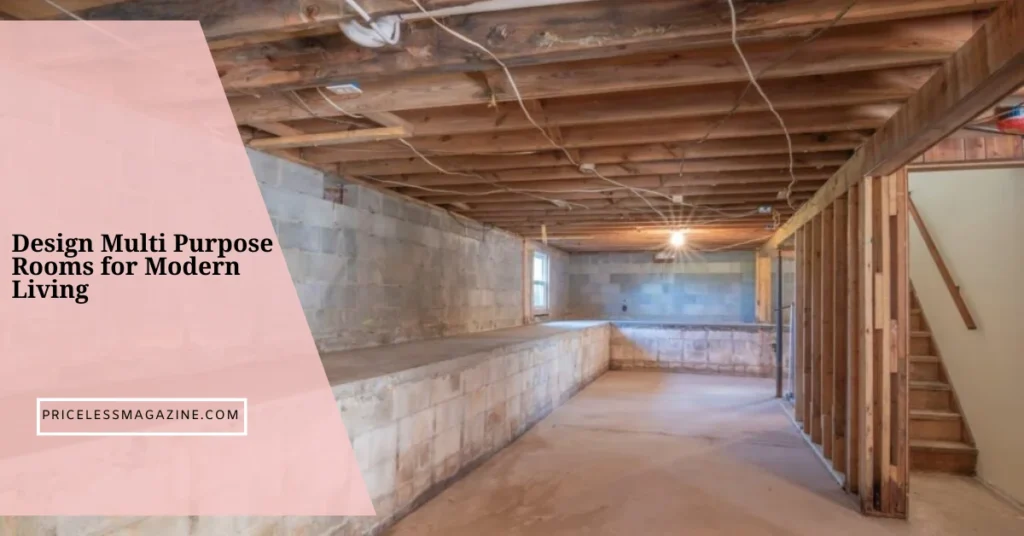
Many homes hide untapped potential below ground. Basements often serve as storage zones for forgotten boxes. Yet these spaces can become powerful assets. Converting them into media rooms, home gyms, or guest suites adds value and functionality. But don’t take the DIY route. Look up basement remodeling near me to get in touch with the best professionals for the job. Experienced contractors can assess your space, recommend smart layout solutions, and turn an underused basement into a functional extension of your home.
Such remodeling projects often include better lighting and insulation. These upgrades improve comfort year-round. A finished basement can host movie nights and birthday parties. It can also provide quiet work space away from main traffic areas.
Sound control matters in shared homes. A basement office reduces background noise during video calls. Teenagers can practice instruments without disrupting dinner. This separation supports harmony across the household.
Storage should remain part of the design. Built-in shelving keeps clutter hidden but accessible. Therefore, the space stays functional rather than chaotic. Smart planning turns dark corners into productive square footage.
Smart Layouts for Flexible Living
Open-concept designs remain popular for good reason. They allow easy transitions between activities. However, open space needs structure to function well. Area rugs, sliding partitions, and shelving units create subtle boundaries.
Consider furniture that adapts easily. Fold-down desks save room when not in use. Sleeper sofas transform offices into guest rooms quickly. Expandable tables accommodate family dinners and craft projects. These elements support evolving needs without constant renovation.
Lighting also shapes room flexibility. Layered lighting creates mood shifts instantly. Bright task lights help with homework. Softer lamps encourage relaxation later. Therefore, lighting design becomes a powerful tool.
Technology plays a growing role in home design. Smart outlets and wireless speakers support remote work and entertainment. Charging stations prevent cord clutter. Integrated tech makes rooms more efficient.
Wall-mounted storage frees up floor space. Floating shelves hold books and décor. Pegboards organize craft supplies neatly. Vertical design expands capacity without crowding the room. Why let valuable wall space sit empty when it can work harder for your family?
Designing With Growth in Mind
Families change quickly. Toddlers become teens faster than expected. Designing with future stages in mind saves time and money. Neutral color palettes adapt more easily. Durable materials withstand wear and tear.
Choose furniture that can move between rooms. A sturdy desk might shift from a child’s room to a shared office later. Modular seating can rearrange for parties or movie nights. Versatility reduces the need for constant purchases.
Health trends also influence home layouts. Many families prioritize wellness-focused spaces now. Yoga corners or compact fitness areas support daily routines. Fresh air and natural light improve mood and focus. Therefore, windows and ventilation deserve attention during planning.
Energy efficiency matters more than ever. Rising utility costs encourage smarter upgrades. Insulated walls and energy-saving windows reduce long-term expenses. Sustainable design benefits both budgets and the environment.
Sound management improves comfort significantly. Acoustic panels and thick curtains reduce echo. This matters in homes filled with virtual meetings and online classes. Quiet spaces increase productivity and patience. Pro tip: add soft rugs and upholstered furniture to absorb sound naturally and improve overall acoustics.
Blending Style With Practicality
Multi-purpose rooms should feel inviting, not chaotic. Design consistency ties different functions together. Choose a cohesive color scheme throughout the space. Coordinated storage bins maintain visual harmony.
Decor can reflect personality without overwhelming the room. Family photos personalize the area. Art pieces add warmth and identity. Balanced décor prevents a workspace from feeling sterile.
Organization systems keep transitions smooth throughout the day. Labeled bins help children tidy quickly without constant reminders. Hidden compartments conceal electronics and loose cables neatly. Therefore, the room shifts roles without visible clutter. Clear storage zones also teach children responsibility and independence. When everything has a designated place, cleanup feels faster and far less overwhelming.
Balance aesthetics with durability. High-traffic spaces require sturdy materials. Washable fabrics simplify maintenance. Flooring should handle spills and activity.
Small details create lasting impact. Hooks near entrances reduce backpack clutter. Charging drawers hide devices overnight. Multi-purpose rooms thrive on thoughtful planning.
Modern family living demands adaptability. Homes now function as offices, classrooms, and retreat spaces simultaneously. Designing multi-purpose rooms meets that reality head-on. With smart layouts, strategic upgrades, and flexible furnishings, any household can create spaces that support daily life smoothly. A well-designed room does more than hold furniture. It supports connection, creativity, and calm within the same square footage.