
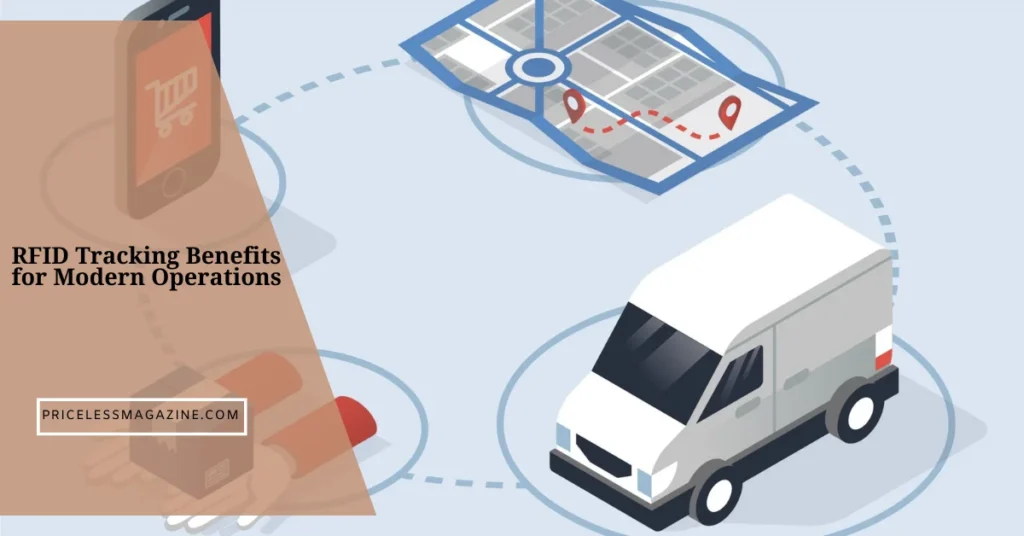

RFID (Radio Frequency Identification) technology has revolutionized how businesses manage operations and assets. From warehouses to supply chains, RFID allows companies to automate tracking processes that were once time-consuming and error-prone. This method, which relies on electromagnetic fields to transfer data, offers a hands-off approach to identifying and tracking objects, improving efficiency, and reducing operational costs.
Incorporating RFID tracking into daily operations has become a key to increasing productivity and minimizing human errors. RFID-based tracking offers businesses the ability to automate their processes seamlessly, ensuring data accuracy and security. This article explores the practical applications and advantages of RFID technology for modern operations and how businesses can implement it effectively.
Enhancing Asset Management with RFID
Effective asset management is critical to any business, and RFID-based tracking provides a robust solution. By attaching RFID tags to items, companies can instantly locate assets, track their movement, and monitor usage in real-time. This minimizes the risk of misplacing or losing valuable items.
Businesses can automate inventory counts and audits, reducing manual labor. RFID tags offer a reliable means of ensuring that the right asset is in the right place at the right time. This leads to improved accountability, smoother operations, and the ability to quickly respond to changing business needs.
Key Benefits of RFID for Asset Management:
- Real-time tracking: Instantly locate assets without manual intervention.
- Automated inventory: Reduce time spent on inventory counts and audits.
- Error reduction: Minimize mistakes made by human operators.
- Increased asset security: Prevent theft or unauthorized use of items.
Improving Supply Chain Efficiency
Managing a supply chain can be complex, especially when tracking thousands of items that move through multiple stages. Tag-based tracking simplifies this process by providing real-time updates on the location and status of inventory, whether it’s in transit, storage, or awaiting shipment.
RFID tags reduce the need for manual scanning of barcodes or other identifiers, speeding up processes and reducing the chance of human error. As items pass through checkpoints, they are automatically logged, providing valuable data for better decision-making. This level of automation enhances visibility, cuts down on delays, and improves overall supply chain efficiency.
Streamlining Inventory Control
One of the most powerful applications of RFID technology is inventory control. RFID monitoring allows for faster and more accurate stock management. RFID-enabled systems instantly update inventory counts as items are received, moved, or sold. This provides businesses with real-time visibility of stock levels and better insight into their inventory flow.
Additionally, RFID systems can automatically alert operators when stock levels are running low or when items are nearing expiration. This proactive approach helps businesses avoid shortages or excess inventory, leading to more optimized and efficient operations.
RFID-based Tracking in Modern Operations
RFID-based tracking is a versatile tool that benefits various industries, including healthcare, manufacturing, and retail. In healthcare, for example, RFID is used to track medical equipment, ensuring it is available when needed and preventing equipment loss. In retail, RFID tags streamline inventory management, ensuring accurate stock levels and enhancing customer experience.
RFID monitoring is also an excellent tool for improving workflow in manufacturing settings. It helps track parts and raw materials from the moment they enter the factory to when they are assembled into final products. This reduces delays and errors that can arise from manual tracking.
RFID tracking technology offers businesses a way to streamline operations and improve efficiency. From managing inventory and assets to improving supply chain processes, RFID brings a host of benefits to modern operations. By automating key processes, businesses can reduce manual labor, improve accuracy, and make better-informed decisions. Implementing RFID monitoring can lead to significant cost savings and better overall business performance.