
Growing up in a small town, I spent many winters under layers of blankets, attempting to escape the bone-chilling cold of our under-heated home. Our family’s heating system was both outdated and temperamental, and it often left me wondering about better ways to keep warm without burning a hole in our pockets. Fast forward a few years, and I’m now in charge of managing my own house’s heating. It’s a balancing act—keeping my space warm while ensuring that I don’t receive shockingly high bills. Let me walk you through my personal experiences and the strategies I’ve adopted along the way.
Insulation: The Unsung Hero
First off, let’s talk insulation. My childhood home was often chilly because it lacked adequate insulation. When I got my own place, adding insulation was the first thing on my to-do list. Insulating your home can add a significant layer of warmth by preventing the air you pay to heat from escaping. From attic blankets to draft excluders, these simple and sometimes DIY solutions help significantly in trapping warmth indoors.
Another aspect to consider is the type of insulation used. I discovered that different materials cater to different needs. For instance, fiberglass and cellulose are popular choices for their affordability and performance. However, if the budget allows, spray foam insulation provides a tighter seal, offering better resistance against heat loss. Understanding your home’s requirements and climate can guide you towards making the best choice.
Find the Right Heating System
Not all heating systems are created equal or suit everyone. When I moved into my house, its heating system was ancient. I decided to upgrade it. While researching, I learned that efficiency and cost-effectiveness are closely linked. So, choosing a recent model with a high heat output tied with manageable running costs was crucial.
Instead of buying, you might want to consider maintaining your current system. For example, while researching such options, consider King Heating for professional furnace repair in Chicago for either maintaining or improving an existing system. Ensuring your heating system is in top condition can help keep your home warm without unexpected costs.
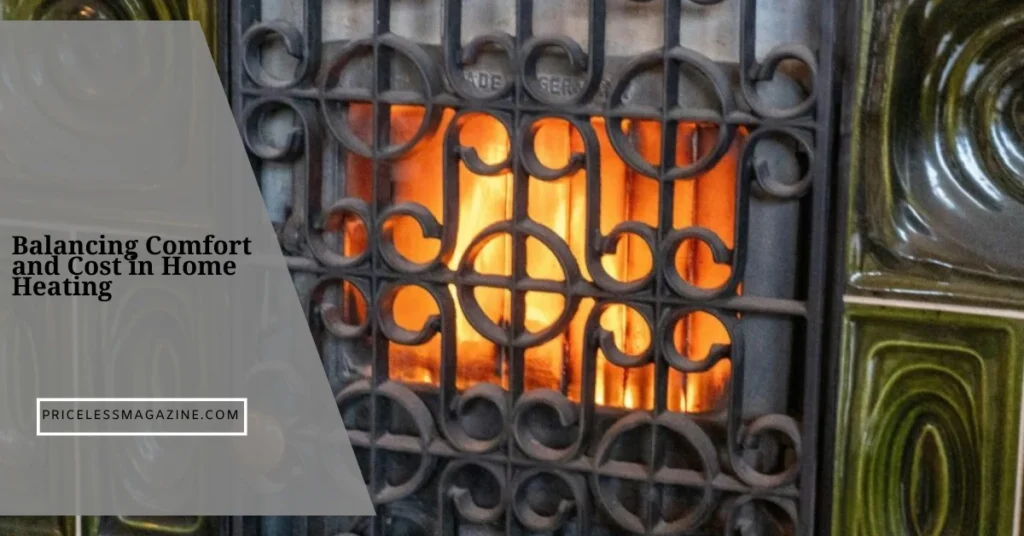
Diversifying heat sources has also proven beneficial. A wood-burning stove, for example, adds extra warmth and aesthetic charm to living spaces. It serves as a backup during power outages and reduces dependency on a single heating source. Remember to check local guidelines on wood burning to ensure compliance and safety.
Smart Thermostats are Worth It
After wrestling with a manual thermostat for a year, I finally invested in a smart thermostat, a decision I don’t regret. These devices let you control your heating remotely and can save you from wasting money on unnecessary heating when you’re not home. It’s the convenience and savings that make them a worthwhile investment.
The data-driven insights offered by smart thermostats can enhance temperature management. Over time, they learn your routines and adapt automatically without input, maximizing comfort while reducing costs. Climatic variations are taken into account, and some devices even offer suggestions for efficiency.
Layer Up, Cozy Down
During the colder months, I swear by cozying up rather than cranking up the heat. Wearing extra layers indoors may sound simple, but it’s surprisingly effective. Combine thermal socks, sweaters, and perhaps even a fluffy robe. Blankets are never just for the couch—keep them handy while working from home or reading a book. It’s comfortable and cuts down on unnecessary energy use.
Additionally, incorporating textiles like heavy drapes can keep the cold at bay. Drawing them shut during the night creates an insulating barrier, while leaving them open during sunlight hours lets natural warmth filter in. Simple changes like these can make a world of difference in home comfort and energy conservation.
Seal Those Windows and Doors
Another lesson learned from my drafty family home is the significance of windows and doors. Sealing windows and doors can drastically reduce heat loss. Using caulking or weatherstripping doesn’t demand expertise, and the benefits are immediately noticeable. Less draft means more warmth, which automatically helps in saving on heating costs.
Beyond traditional sealing methods, window film kits applied to glass create an additional heat barrier by reflecting interior warmth back into the room. Magnetic sealing strips for doors can also enhance the snugness of an entrance and are quick to apply. Small adjustments like these all contribute to an optimal interior environment.
The Importance of Regular Maintenance
A complete heating system breakdown in the middle of a particularly harsh winter taught me the importance of regular maintenance. Having your system checked annually ensures everything is running smoothly and can prevent sudden malfunctions. Consider it a small price to pay for peace of mind and potentially larger savings down the line.
The Bottom Line
Balancing both comfort and cost in home heating is no small feat, but the solutions are within reach if you know where to look. From effective insulation and selecting the right heating system to embracing simple habits like layering, every small step counts. From my personal journey, I’ve found that being proactive and thoughtful about heating can keep your home warm without burning through your budget. So, make your place snug and welcoming, all the while keeping an eye on those costs—it’s entirely possible. Stay warm this winter!